 |
|||||
| AHYMSIN Newsletter, Issue - November 2013 | |||||
|
|||||
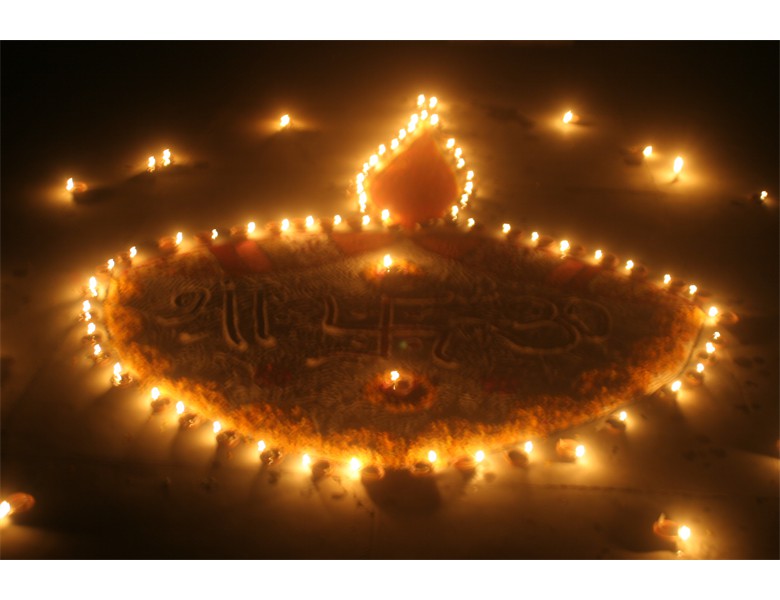
Divali 2013 at Rishikeshby Joanne Sullivan (Divya)Rise like a million lamps for the whole world.  Every year, Swami Veda writes a Divali message that goes out to his students. I always thought that the English Divali message was a translation of his Sanskrit message. But this year I learned that while this is true in spirit, the Sanskrit and English messages differ. A part of his Sanskrit Divali message translates loosely like this: A deepak (clay fire lamp) gives light without design or expectation. When you do pure action for everyone simply and with no selfishness — free of all desire — when you don’t think about you—you will effortlessly rise like a million deepaks burning for a million years to light the entire universe. Divali Diary, 2013 It was a day of brilliant sunshine and a night yet brighter. After evening meditation there was the lighting of hundreds of deepaks (clay lamps with cotton wicks and oil) above and below. I saw a lady climbing a ladder to the top of the big yajña shala (fire altar) to light the many fire pots on the rooftop. All over the campus, from the big gurukulam building to the main building the eyes rested on many, many brilliant points of light. Fire pots along the walkways, the railings, the rooftops and at every door — front and back — lit up the night. For many here, the highlight of every day is sitting with Swami Veda in silent meditation for an hour in the evening. Divali was lit up outside and in. In India, everyone is a part of Divali, the Festival of Lights, in one way or another. On the meditative path Divali points to that inner light and to the Guru which has no beginning and no end. Divali is a contracted form of Deepavali, another name for the holiday. It means “a row of lights.” I wonder if it also echoes something else. I once heard Swami Rama say that the verb root Div refers to that most ancient light. Divali is one of the most important Hindu holidays in India and the world, and it is sacred not just to Hindus.
Light Calls Jyotir! Jyotir! Jyotih! The Upanishads talk of this experience of heightened consciousness in meditation as the honey. 6 Steps to Liberation As though walked from an ancient crypt, I can hear Dr. Arya intoning the above words as though he is in the room right now. It is from 6 Steps to Liberation, a classic from the early 1970’s given in Minneapolis. Of all the talks I recall, this one is charged with potentia. It is a deep call to rise above all obstacles with unshakeable clarity and resolve for the light of liberation. In the mere 38 minutes of this talk, Light has claimed you forever. He does this in a voice that is indescribably filled with light, mystery and knowing. Which idam? Which This? The word Idam means This and refers to one’s own true, boundless nature. In the yellow house near Franklin Avenue in Minneapolis where Dr. Arya first gathered his flock of students after his initiation into samadhi by his master Swami Rama, I remember standing in the kitchen with Dr. Arya when he said
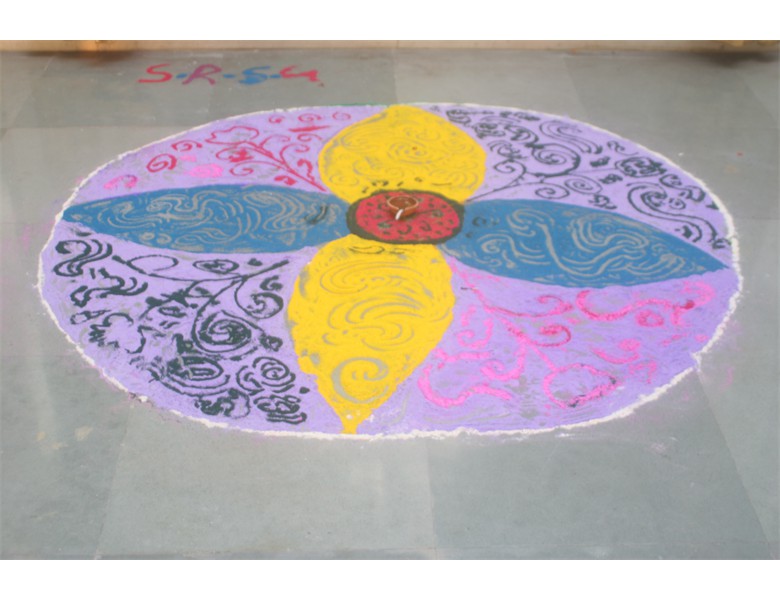
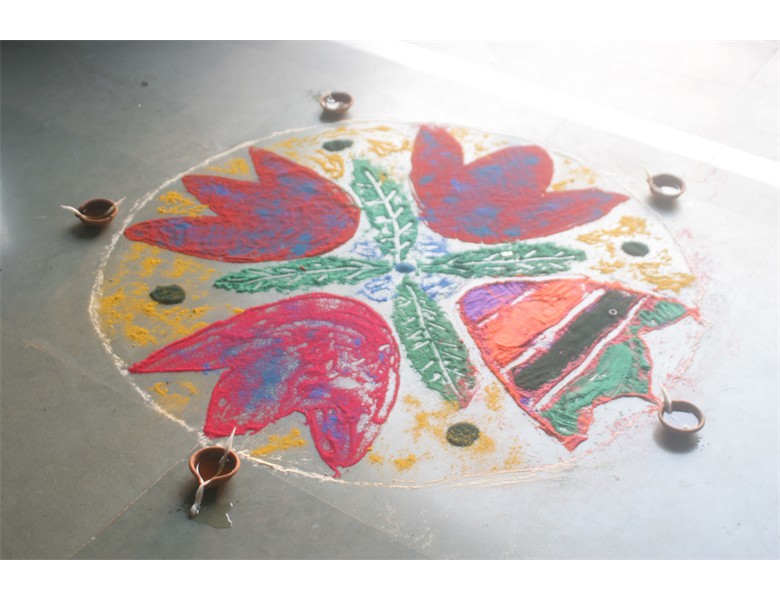
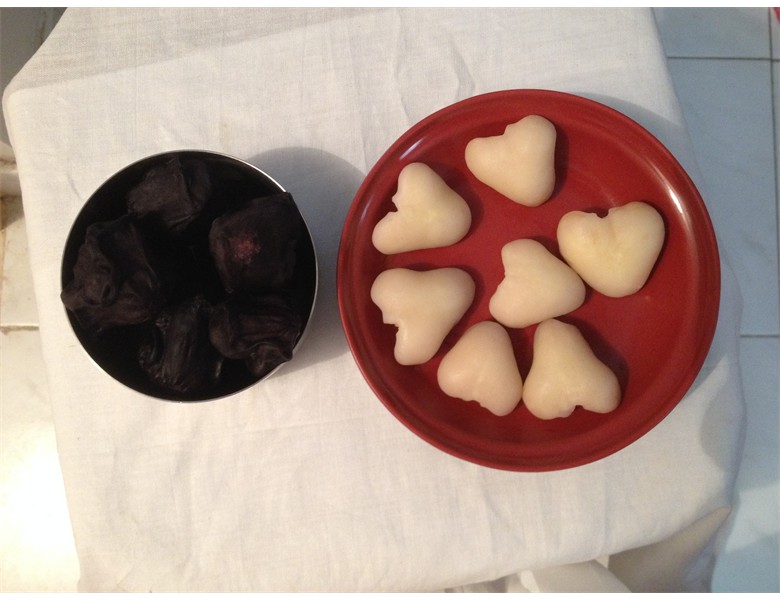
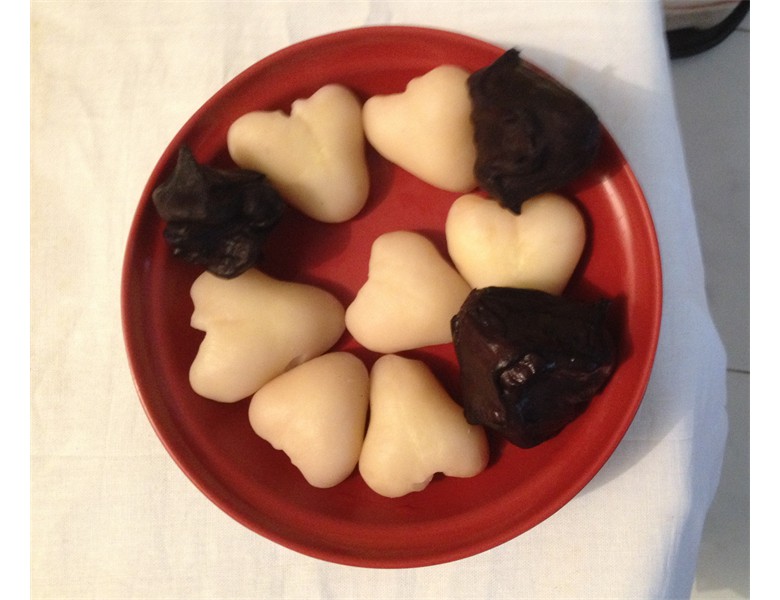
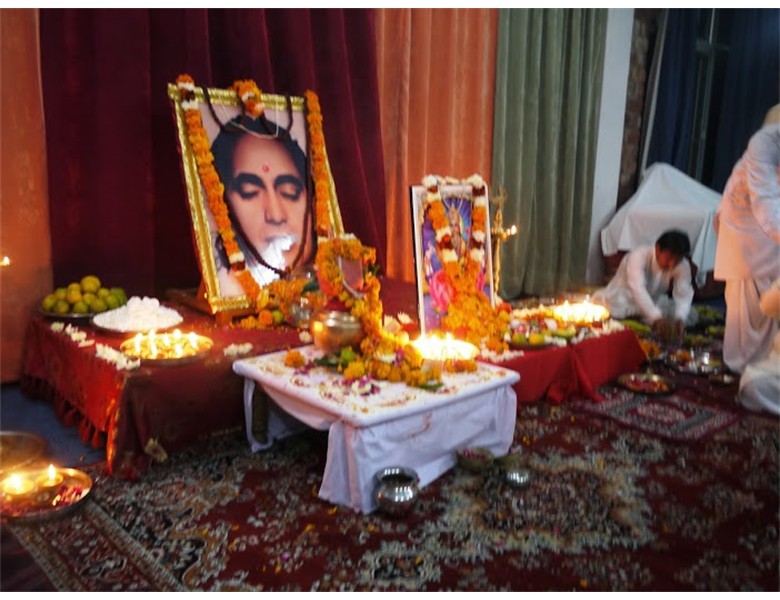
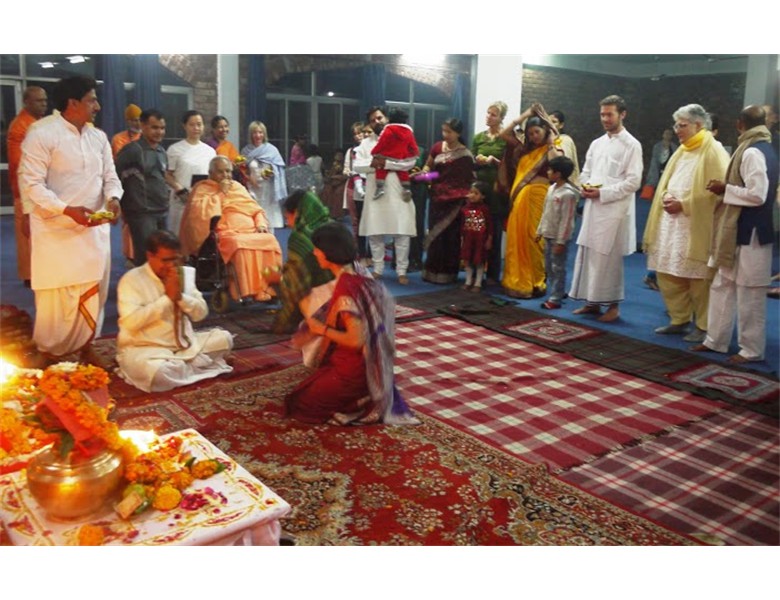
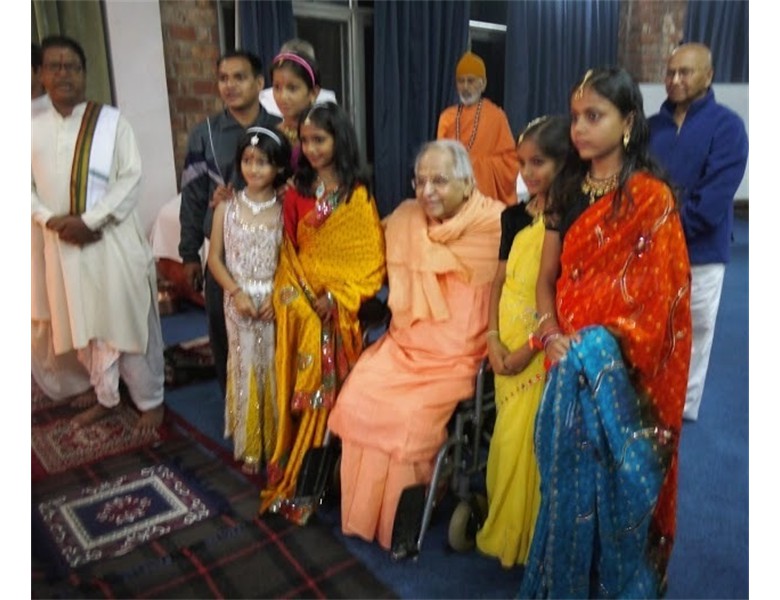
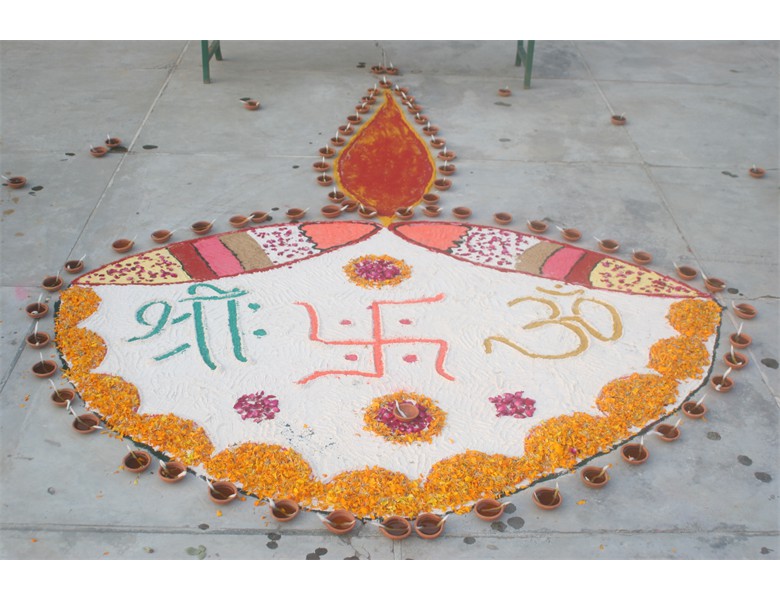
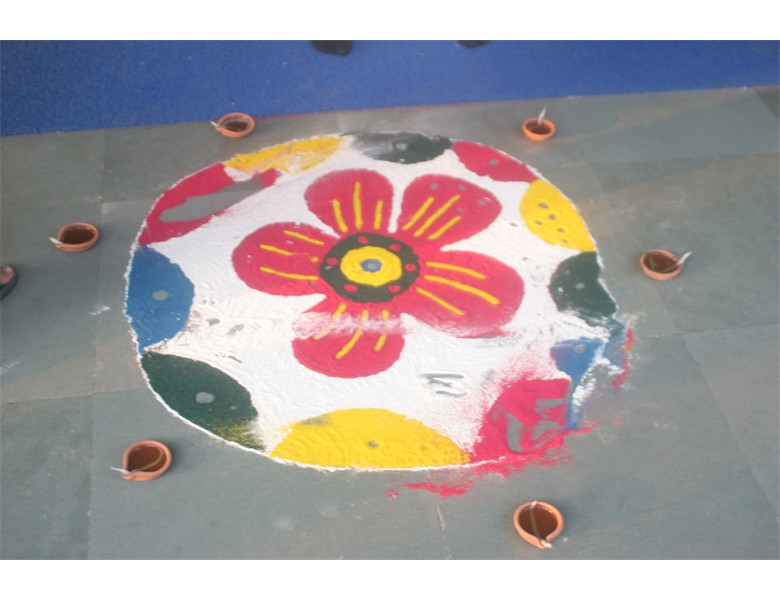
It felt like this was engraved in me as if it was the bedrock of all memory. I often forget but I always seem to come back. Divali, the Public Holiday Divali is the Hindu (and Jaina and Sikh) Festival of Lights with many and varied customs. I would like to discuss just a few of its central elements. As mentioned earlier, in India millions of small clay fire pots light up the night as far as one can see. Among the Jainas, Divali is an important holiday because it is the day when Mahāvira attained enlightenment. Many say that it is the most festive holiday of the year in India regardless of your religion or station in life. Everyone is a part of Divali in one way or another even if you do not celebrate it. The clay pots of firelight symbolize the victory of light over dark and the fireworks that boom into the night and the days surrounding Divali represent the conquest of good over evil. This is an important day whether you are a seeker, a shopkeeper or both, a 10-year-old or 100. Like their Hindu and Jaina brethren, Sikhs not only observe Divali with the firelight of many clay pots and Lakshmi pujas in the home and at work, but also by distributing many sweets to friends and relatives and dressing in festive new clothes. Bandi Chhor Divas, the Sikh “Prisoner Release Day” commemorates the day in 1619 A.D. when Guru Hargobind, the 6th Sikh guru, was released from prison along with 52 other Sikh princes. A few days later, Guru Hargobind appeared in Amritsar at the height of Divali festivities. So Divali is a significant holiday for Sikhs too. Personally, Divali is magnitudes more important to me because it is my mantra birthday and this year I am 43 years old from that day which was indeed a birth of sorts. 1970 was the year I met and was initiated by Dr. Arya and - through the magnifying glass that he is - in the ether, his master Swami Rama. But that is a whole other story for another time. Ṛta and Dharma Years ago, Dr. Arya (Swami Veda) explained that one important word shines on Divali: dharma. The meaning of dharma varies in context. Dharma here refers to the innate nature of things (such as the nature of water is to cool). According to Stoma (Dr. Stephen Parker) “Dharma also means social duty and responsibility. Divali marks the time in the life of Rama when he returns to his throne in Ayodhya after the years of exile in the forest and the order of the world is restored. Divali is a moment celebrating the harmony between the cosmic order (ṛta) and the in-born nature of things (dharma).” Ṛta, the cosmic order, occurs in the oldest of the Vedas, the Rig Veda. All of life - heaven, earth, and all realms in between abide in ṛta and in the heart of all. Stoma went on to say “interestingly, the name of our Swami Ritavan is related to this. His name means ‘one who is possessed of ṛta, in the sense of both truth and right." Lakshmi Devi Lakshmi Devi reigns supreme on Divali. She is the goddess of abundant wealth of all kinds, not just material wealth, and is thought to bring all good things in the year ahead. I spoke with a Sikh friend who told me that they too perform Lakshmi pujas in the home and at their place of business each Divali. Here at SRSG, priests performed a beautiful Lakshmi Puja and created yantras (mystic diagrams) on the altar to invite Lakshmi Devi. Every aspect of such a yantra could be a world all its own and part of the seamless whole of the universe and its abiding forces. The priests began by chanting the powerful invocation which builds resolve and is itself resolve: the Shiva sankalpa astu. From the infants to the eldest, we were all an integral part of this puja, offering and receiving the ineffable light described in so many sacred traditions. The love and blessings that Swami Veda wrapped us in was a memorable part of the puja as many went up to Swamiji, enfolded in the Guru presence like an ancient child, in turn, enfolding each of us. Rangoli On Divali, many people gathered in small groups early in the day to make rangoli. Several children made a stunning rangoli in front of the Buddha in the main building. Rangoli are colorful designs made with materials such as colored rice, powders and in some places, flowers. Sometimes they are ancient mystic diagrams passed on from generation to generation. While they are especially popular on Divali, it is common for a woman to create rangoli at the entrance to the home to invite an auspicious start to the day for those leaving the house and to welcome those arriving. Designs are created and later swept away to make room for new ones. Imagine seeing a beautiful design as you go out the door into the world of work or school! From the early days of satsangs with Dr. Arya in the 1970’s I remember Ammaji’s (Mrs. Arya’s) vibrant and colorful rangoli. They are also made for pujas and other special occasions. On Divali, Lakshmi rangoli are created to invoke the presence of Lakshmi Devi. Tejaswini, Swamiji’s secretary of many years, remarked on the annual Rangoli competition promoted by the Jaina community of London. The Victoria & Albert Museum there invites people to join in these rangoli competitions and other festivities of the day. Singada Swami Veda recently pointed out an interesting phenomenon in his weekly laptop lecture in his initiation room here to residents, teachers and gurukulam students. Every 2 months, he said, marks a new season in India and along with it certain customs, fasts, feasts and foods of that season. Singadas exemplify this as they are harvested at Divali time. Surendra, Swami Veda’s assistant and cook, gave me a bag of singadas after evening meditation the evening after Divali. “This is from Swamiji,” he said. I had only just recently learned of this strange vegetable that grows in water like its cousin, the water chestnut. But heads up! If you are lucky enough to find them, for safe eating, they must be boiled at least 20 minutes and not eaten raw. Imagine my delight when I opened the lovably homely, brownish-purplish vegetable to find a smooth interior shaped like a bulging heart. I practically wrapped my whole beaming heart around this surprising vegetable. (Is that all it is? A vegetable?!, I thought.) When you open a singada, the idea is to wrest its sweet insides from a tough, barnacled shell without breaking the heart inside. It requires a firm, almost muscular yet gentle grip. What pops out is such a surprise, so opposite to what one expects of this creature from the plant kingdom. I thought so this is what you and your Friend do for work! One singada reveals your essential resume. I thought of the work that a true teacher does and the treasure that s/he is: Your heart, your heart, your tender heart! I don't know the sender of this gift. I don't have his address or know his whereabouts. Looking high and low in every realm for years, perhaps lifetimes, yet he is standing quietly before me. He is the very light in my heart. Photo Gallery:Editor's note:Singada often grows in polluted waters, so should not be eaten raw. It is recommended that they be cooked at least 20 minutes. "Singada Water Chestnut, Mandu, Madhya Pradesh," a short video showing singada growing in water and being harvested, can be seen at this link: http://www.youtube.com/watch?v=AAOTPMF_U1U (Unfortunately there is a commercial before the short film.) In Practice for the Next Five Years and the Rest of Your Life, The Last Statement of Swami Veda Bharati Before Taking the Five-Year Vow of Silence At the Gathering of the Sangha 9th March 2013, Swami Veda introduced the Shiva-sankalpa practice: We have a word in our Tradition, a very common Sanskrit word “vrata”. It is roughly translated in English as a ‘vow’. It is an observance. For example, a one day of fasting is a vrata. One day of silence is a vrata. Three years vow of celibacy, ‘brahmacharya’, that some people have taken today that is a vrata. So your vrata for the next five years and for the rest of your life included, is the vrata of “Shiva-sankalpa”. Please see: http://ahymsin.org/main/practice/practice-for-the-next-five-years-and-the-rest-of-your-life.html To read Six Requirements for True Liberation by Swami Veda Bharati: http://ahymsin.org/main/swami-veda-bharati/six-steps-to-liberation.html For more about honey, please see The silent answer to 'Does God Exist?' By Swami Veda Bharati at http://www.meaus.com/2002-svb-god-article.htm Photos courtesy of John Sellinger and Tejaswini
|
|||||
 |
|||||
 1
1 2
2 3
3 4
4 5
5 6
6 7
7 8
8 9
9 10
10