 |
|||||
| AHYMSIN Newsletter, Issue - November 2013 | |||||
|
|||||
Summary of Swami Veda Bharati’s Lectures on “Superconscious Meditation”by Little Student of Himalayan TraditionNote: This is not the verbatim transcription of Swamiji’s teachings on Superconscious Meditation Tape 1-5 (2051-2055). It is rather a summary of his key teaching points that have greatly enhanced my own understanding of meditative life. For those who would live to have access to comprehensive teachings from Swamiji, it is recommended that they seek full/official transcripts or the CD recording. Meditation is a very vast scienceMost people expect to have quick results from everything they start to undertake and practice. However, one cannot expect quick result from meditation because it is a vast science and knowledge that could require the whole life to study and practice. Swamiji said that his lecture only related to basic groundwork like getting to know the tip of the iceberg in the ocean. Much bigger part of the iceberg is under the sea and cannot be seen from above. It is like learning alphabets of the new language.  Meditation is the science of the “mind”, which is invisible as it is without concrete form. We need to study our mind so that we can slowly increase our capacity to direct our mind in the right direction in every single moment (which appears impossible for the beginning student of this wonderful science). Human mind has countless dimensions and levels. The mind is like a vast ocean. If we look into the sea while we stand on the beach, we can only see the waves forming and subsiding a few moments later. Soon they are replaced by new waves (which also do not stay more than few moments). But for a professional diver, he has no interest in seeing the sea from the beach or experience the sea only at the surface. He wants to know the sea at a much deeper level. Out of his desire, he will learn all necessary techniques and acquire important tools. At deeper levels, he would experience a silence world, only hearing the sound of his own breath. If he looks up at the surface of the sea, he would still see waves and floating boats, but his direct experience of the calm atmosphere in that moment enables him to become only the observer of what is happening at the surface of the water. Meditation practice is similar to diving into the deeper part of the individual ocean called “mind”. Useful tools include the breath and mantra. If we can keep our awareness and observation on breath and mantra we will slowly increase our capacity to go through the surface (where lots of random thoughts and emotions reside) and move into the deeper layers of our minds. This process happens very slowly, step by step. Reflection point: Regular practice without giving up is necessary. We can rest when we need, but never leave our practices. Always come back. And do not have too high expectations of our own practices. What is the real progress of a human life?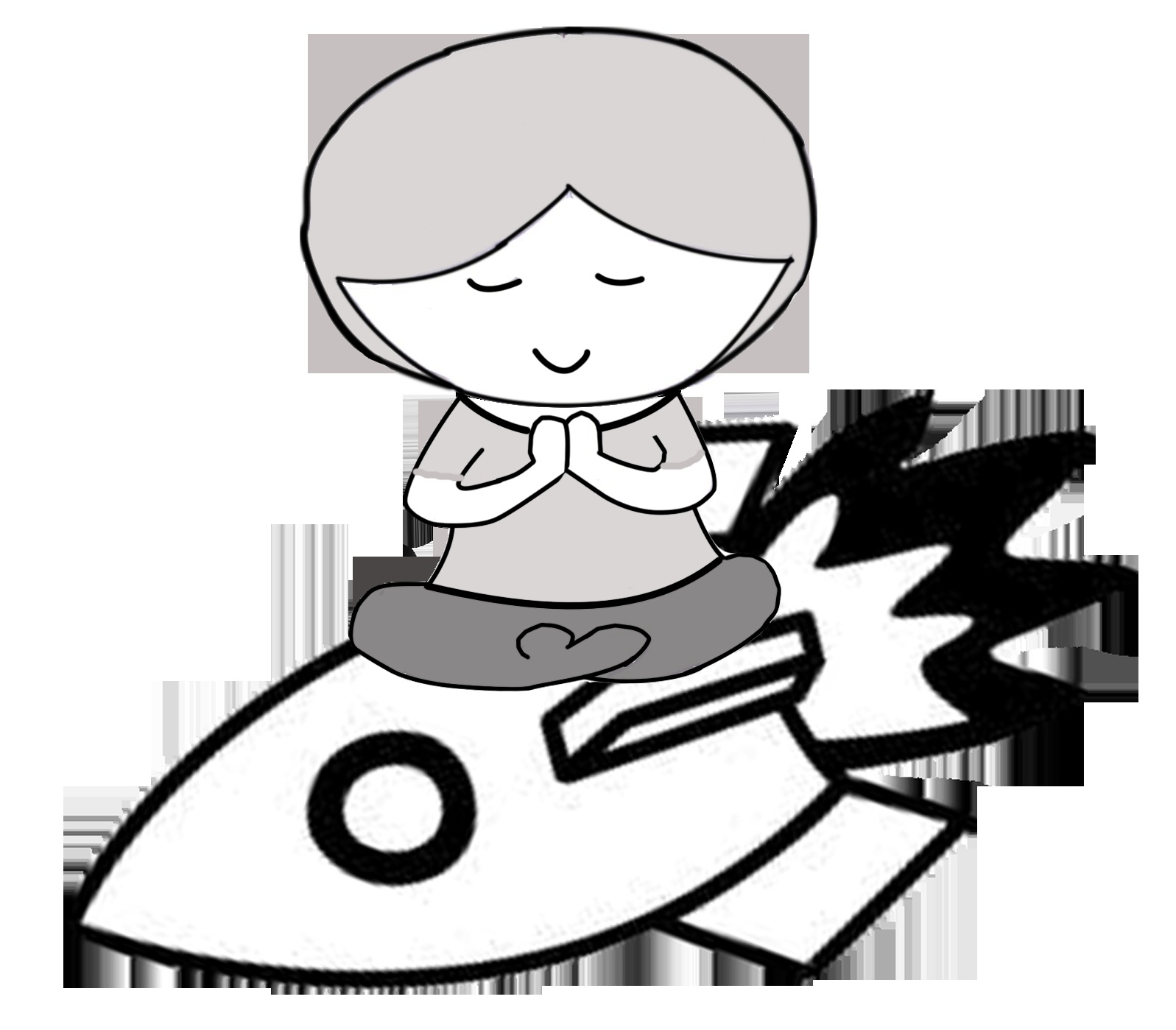  Swamiji opened up this lecture with a question “what progresses have you made in your life?” Human beings have enormous capacities and have invented so many sophisticated technologies. We have produced a spaceship that can bring people to the moon and other planets. We have invented air conditioner/heater that can change the season in our houses within a second just by pressing one button. We have this capacity because as human beings, we are endowed with one principle called “consciousness”. We can produce numerous things out of basic materials such as steel and aluminum. We should congratulate these materials that because of human intelligence, they are transformed into some valuable things which reflect human civilization. But the most important question we should ask ourselves is “What development have we created for ourselves?” When our minds are burnt with anger, “can we press a mental button that brings peace and harmony back in a second?” In time of despairs and darkness, “can we get ourselves out of depressed feeling and smile with joyful hearts amid our challenges?” When others insult us, take advantages of us or use us as a means to reach their goals, “can we maintain stillness in our minds without being disturbed?” “Are we any more loving persons than our ancestors?” If the answers to those questions are “no”, then we have not made any real progress and development in our lives. Reflection point: Meditation practice is a science of self-knowledge, knowledge that enables us to make real progress. Human beings are born with the capacity to realize wisdom but we should be humble and aware all the time that we are sustained by the laws of Dhamma (nature). Meditation practice cannot be separated from daily living  Swami Veda Bharati greatly emphasizes this principle. Many people are surprised that he talks about the art of daily living much more than the meditation techniques. The art of living was the way his Master, Swami Rama, trained him up with great intensity, and therefore he could share his direct/personal experiences with us. Of course, Swami Rama also instructed him in several meditation techniques depending upon stages of his developments. But the difficult exercise Swami Rama always gave him was “how to improve the relationship with his (Swami Veda’s) own students”. Because to be successful in relationship, one needs to reduce one’s ego, pride, resistance and selfishness (which always destroys oneself and others). This requires a high degree of non-attachment, which is difficult to master, but which will help us greatly in our meditation practices. Many people left their practices within a short period because they failed to integrate their meditations into their daily lives. New attitudes and views that are beneficial have not been developed. These people always take their worldly problems with them into their meditations, and very soon they unconsciously turn their practices into burdens that lead to great struggles. If people practice meditation in this way, they cannot last very long. Swamiji advises that we should not separate our lives from our meditations; we need to maintain awareness all the time even when we are not meditating. A tennis player would play much better if he takes awareness gained from his meditation practice into the court. Swami Veda classifies meditation practitioners into 3 groups: 1. Butter and water. If we put melted butter in cool water, the butter will congeal and will never mix completely with water. These represent practitioners who isolate their practices from their lives. 2. Oil and water. If we drop oil into water, we can notice that although they don’t mix, they are also not totally separated. Practitioners of this group still derive some benefits from meditation. 3. Milk and water. They can mix quite well and we cannot really tell which part is milk and which part is water. Swamiji would like to inspire us to integrate our practices with daily life activities like mixing water with milk.  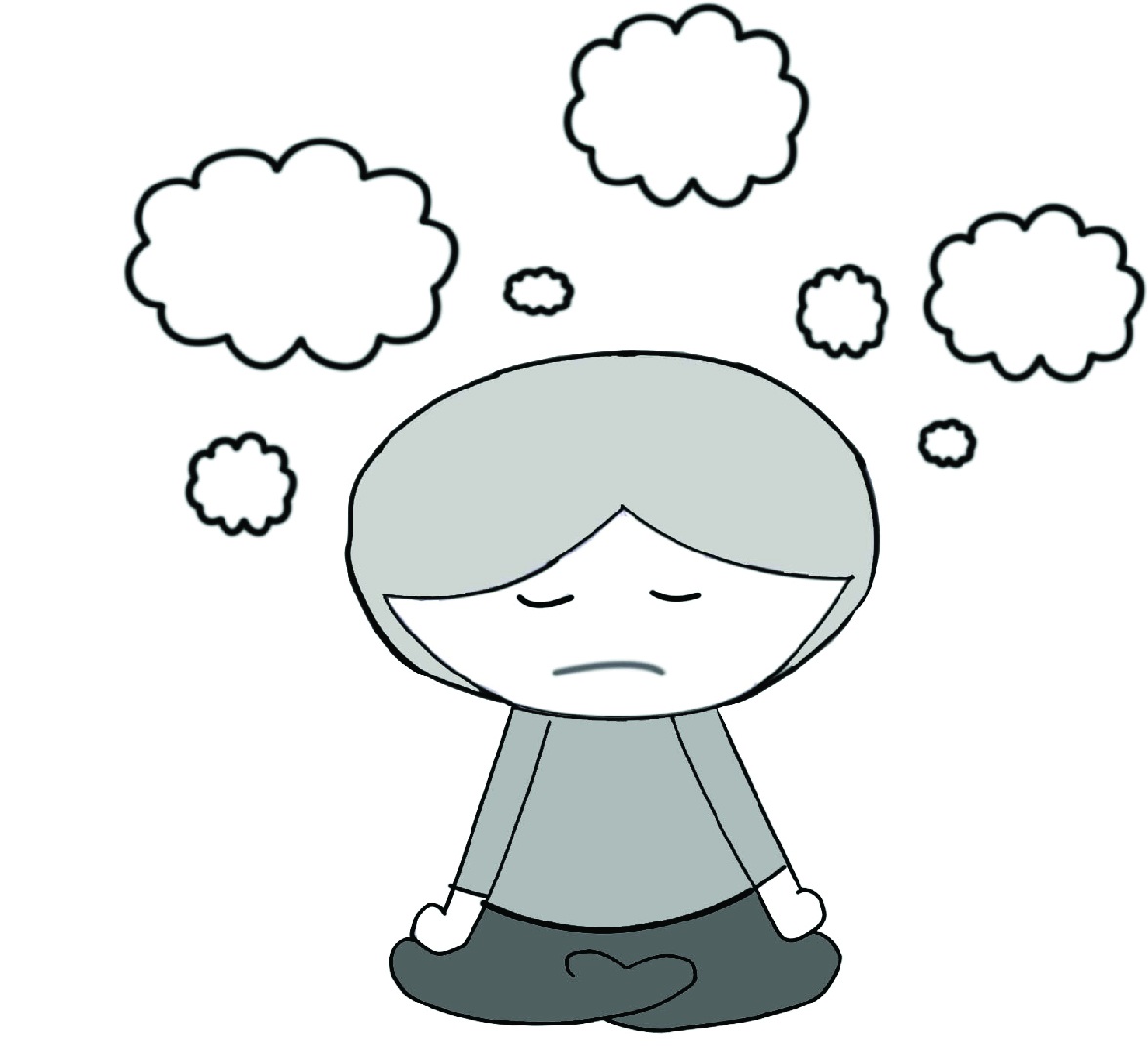 Many people start meditation practice with an attitude that they will ignore their daily life and focus on getting ecstatic and peaceful experience while sitting. But this is not the right attitude because we can never be able to turn our backs on people and our worldly responsibilities. Swamiji’s advice for us is that we need to bring peace obtained from our practices with us all time and make it a foundation from where we conduct our lives and our worldly relationship. After quarrelling with our friends or partners, if we can put ourselves back into state of balance and peace, and go back to them with more gentle words that help resolve the conflicts, then we can say that we have some success in integrating our practices with our daily lives. Swami Veda told us a story of one swami whom he knew. Before taking a vow of sanyas, this swami was the editor of a daily newspaper in the state of Punjab. He always had great intent to develop his spiritual life and in each year, he would set aside 2 months to practice silence and meditation in seclusion. One year, while in seclusion, he could not practice anything because before he left his home, he had quarreled with one of his neighbors. Finally, he decided to buy a train ticket back to his home in order to apologize to his friend. At that point, who was right and who was wrong was no longer important for him. He just wanted to restore peace in his mind. He then went back to his seclusion place and had very smooth practice throughout the period. It is hard to deny that our relationships with many people are often one of the main factors that disturb our mental peace. Conflict in relationship will immediately attack us once we start closing our eyes in preparation for meditation. According to Swami Veda, those who want to be winners will end up being losers instead as they might lose the people whom they love. If we can learn to be a “willing loser”, we will be a “true winner”. Swamiji encourages all of us to transform our attitudes towards relationship although this is a very difficult thing to achieve. It is so difficult in our eyes because most of us have natural tendency to be “better” and “bigger” than others. Therefore, to change one’s own attitude requires great courage that few can achieve. People asked Swamiji “when you had uncomfortable and dislike feelings for someone (particularly the person you knew would like to take advantage of you), how would you deal with your own feelings?” Swamiji explained that normally we would be angry towards such people. He was too, but he made a commitment to slowly adjust his mental habit. Every time he was aware that he started having negative feelings towards someone, he would change his attitude by intending to do something good for that person. People further asked him “if that did not work and the person still tried to take advantage of you, what were you going to do?” Swamiji answered “It always worked for me, because I was doing that to create peace in my own mind, not to change the person”. For him, peace of mind is more important than anything else. With peace of mind, he never encountered any pressure (to curse or criticize those who brought difficulties to him) when meditating. Swamiji gives us four principles and persuades us to try practicing them. From his own experiences, he guarantees that following these principles sincerely would bring lots of love into our lives: Remember all the bad you have done to others Remember all the good others have done for you Forget all the good you have done for others Forget all the bad others have done for you Establishing peace and happiness in daily lives increases clarity of our minds, making it suitable for meditation practice. Without mental clarity, we could not see lives as they are and be aware of the directions our lives are going (lack of wisdom). Many people have been practicing meditation for years, but with confused minds. These people could not see their own problems clearly and get stuck in their own traps. They would not make much progress either in daily lives or in meditations. He suggests that we do not make any decision when our minds are not clear or when we are emotionally upset. Start counting our breaths first in order to communicate with a deeper part of our mind. Otherwise, we will make mistakes and feel the need to find scapegoats for our wrong decisions. The other group of people tries to separate their practices from their family members and friends. One of his students said to him “I liked meditating with the mantra you gave me. I also like a deep contemplation exercise you asked me to do. But the problem was with my wife. Every time I closed my eyes for meditation, she accused me of rejecting her.” Swamiji asked that student “Did you close your eyes when you were sleeping? Did your wife feel you were rejecting her when you slept?” His student replied “No”. Swamiji said there must be something wrong with how this student of his was practicing meditation. “Never let your practice create conflicts with people in your family.” Blaming others for our own sufferings, wrong decisions and uncomfortable feelings is another problem in daily life that prevents people from making progress in their meditations. People often say “My life is full of problems and the worst part is they are created by others”. Swami told us of one interesting joke that has been passed down through so many generations; “every time we point our index finger towards others, the other three fingers point towards ourselves” “So, please examine yourself before blaming others”, he said. Meditation practice will help us to better maintain our awareness in the present moment. Being in the present moment means that we are content with everything we face in the current situation. People have tendency to look for things they do not like in every place and situation they find themselves in. When they start a new job, they immediately find out what would make them suffer. If you like the beach, but are travelling to the lake with your family, please feel happy being at the lake. Do not say that I like the sea, not the lake. In that moment, you cannot enjoy the sea, but you can derive pleasure from the lake because it is right there in front of you. Refusing to enjoy the lake would not bring the joy of being at the beach, so it is a useless attitude. People who cannot see goodness in their situations are people with weak minds. These people give in easily to life obstacles. Many people decided to quit their jobs just because they could not get along with some colleagues. They did not realize that there was no guarantee that in the next job they would find only colleagues who would be nice to them. We all need to learn how to find good things in each situation in life including marital relationship, works and etc. Reflection point: Don’t use meditation practice as an escape from life problems. Instead, learn to be humble and cultivate willingness to be losers in order to gain self -mastery. Learn to find and appreciate goodness in all situations. A peaceful and calm mind is the best indicator that we are making progress in our practice. Identification and attachment to external self and worldly materials are great obstacles on the path Unhealthy relationship is often the result of people’s attachments to the roles they are playing or to their own views and opinions. Such attachment creates an age gap between people in relationships. Mid 1960’s was a golden era of “the Hippie”. During that time, several teenagers who were drug addicts attended Swamiji’s lecture on meditation. They thought that meditation technique could lead to change in the state of consciousness similar to that produced by drugs. After practicing with him for a while, some of them stopped taking drugs as they started enjoying peace obtained from meditation practice. These teenagers told him “we hoped our parents would come and try meditation and experience the same peace, but that was impossible because they were stuck in their own views and unwilling to listen to others”. At first, Swamiji thought that American parents were narrow -minded. Soon after that, he had a chance to give talks on meditation to a group of parents. And the parents said “it was a wonderful course. We would love our children to attend, but it was impossible because they never listened to us”. We are always trapped in “being ourselves” or in “our own opinions about ourselves and others” and it is very difficult to get out of this cycle. Please be aware that this is a great obstacle in the path of meditation. These feelings and attitudes are simply our own inner resistance to others, which need to be purified and eventually eradicated. 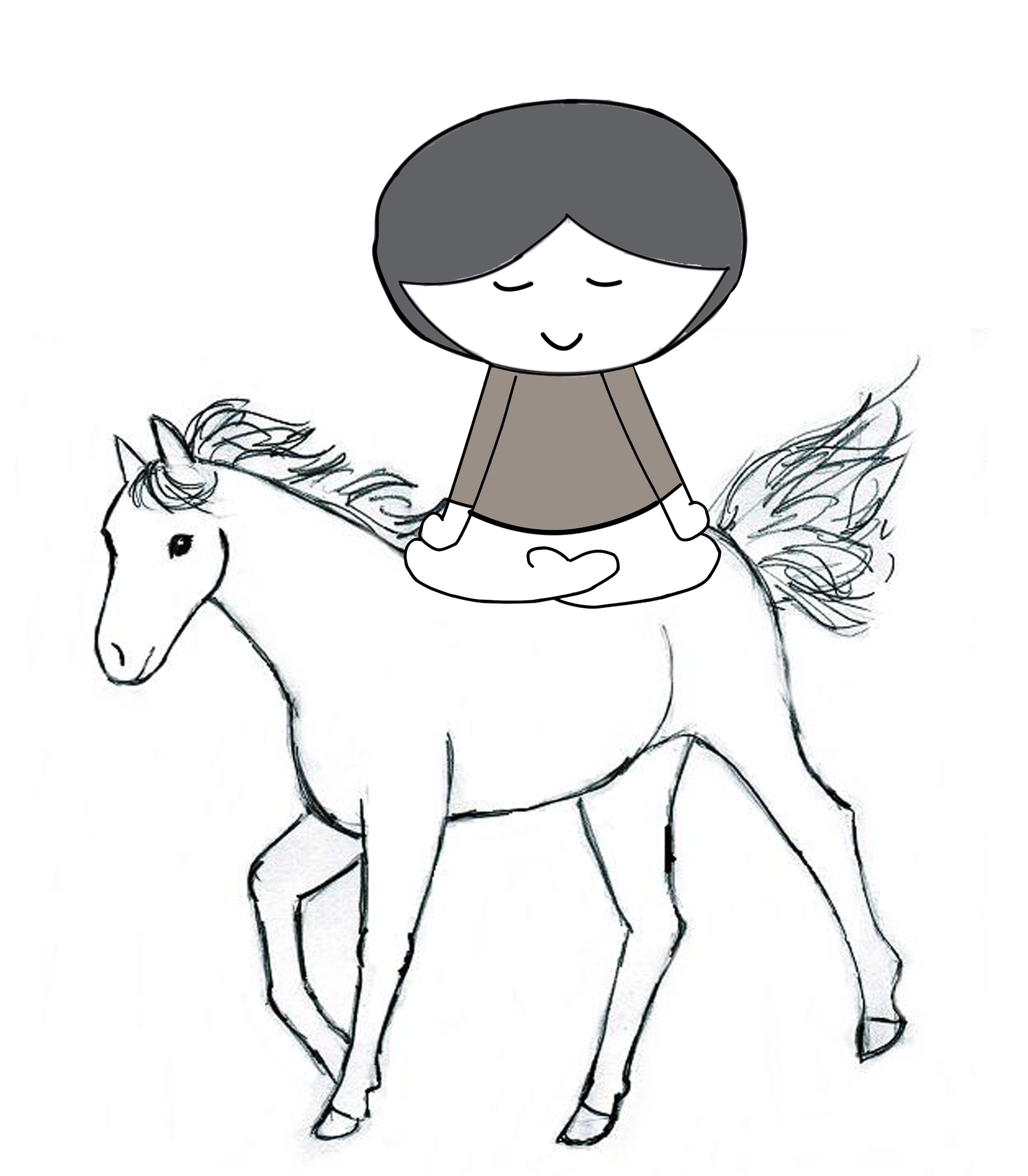  Another form of attachment is in measuring the value of one’s self and others by the amount of external wealth and materials we own. A diamond never goes out and makes an announcement that I am worth such and such dollars. It is people who assign value to diamonds and attach their own self -worth to the value of the diamonds. “I am more valuable than Mr. A because I possess a big diamond that he, working his entire life, could never afford to buy”. Most people would not feel they are tall unless they are among shorter people; they are wise until they give advice to others (whom they perceive to be less clever than them). Our strengths always depend upon the weaknesses of others. Such a system of thinking only leads to conflicts within oneself, and the end result is suffering. During meditation practice, we need to leave behind all our personalities. We are not only parents, tall or short, good or bad, rich or poor. We are simply life force, a pure consciousness that is aware of everything as it is without modifications. This is a state beyond human body and mind. Common problems encountered during meditation practiceMany people think that meditation practice and its benefits are very useful and interesting. But they would not make any effort to sit everyday because it requires too much discipline. Swami Veda has two opinions to share regarding this matter. First: find out what the definition of discipline is. We might recall that when we were little children, our parents had to tell us to brush our teeth twice a day and we had resistance to our parents’ instructions. They had to threaten us that we would have tooth decays with worms crawling inside our mouths. Sometimes, we even felt that our parents were the strictest and most boring creatures on earth. So, what happen now? We brush our teeth every day, without anyone telling us to do. We are willing to do so because we know from our hearts the benefits of brushing our teeth. Also, when we repeat the same thing every day, it becomes our natural habit and it is no longer difficult to do it. We probably cannot imagine how a person would feel if he does not brush his teeth every day. For Swamiji, he cannot imagine the mental conditions of the people who do not meditate every day. Second: when we enjoy what we do, that thing ceases to be discipline. We are naturally inclined to do it with no resistance. For Swamiji, yoga and meditation practices are never disciplines. He himself dislikes disciplines, and he has resistance to anything that needs to be done because of discipline. But he has willingly chosen to gently train himself to be naturally inclined towards meditation practice. This kind of training starts with acknowledging the benefits of any activity you would like to do. It is like planting a seed; if we continue watering and fertilizing the seed, it will grow into a tree of great inspiration one day. Human mental characteristics are quite similar to a dog, according to Swamiji. A well-trained dog can follow his boss’s instructions very well. But if we raise a dog without training him when he was still young, then the job becomes much more difficult. We have let our minds take in whatever they want for so long. Without discrimination, we let them absorb all kinds of emotions which have sunk deep into our subconscious minds. Thus, when we start our meditation practice, we find it so difficult. No matter how difficult it is or how many haphazard thoughts we encounter, Swamiji assures us that we will always derive benefits. We will find out that our mind is in a little calmer and more peaceful state even for a short moment and we should be satisfied with whatever results we gain from our practices. In this way, we do not need to create too many unnecessary rules and standards to measure our progress, which could instead become obstacles to our practices. Too much expectation and focus on the goal of meditation practice was another great obstacle. Swami Veda suggests that we let go of them. Many people force themselves to be peaceful during the practice, and if they fail to be, they simply conclude that they are not making progress. Peace obtained from meditation is like a state of sleep. We cannot force ourselves to fall asleep. What we can do is to let the mind gradually and naturally slip into that state. When we attain such peace, we would gain direct experience of what it means to be “in the present moment”, a state that words cannot describe. “Meditation is the slow, gentle and smooth journey”. Don’t compete with others or even with ourselves; I did it well yesterday so I have to do it better today – this is an unproductive attitude. One of Swami Veda’s students once went to his Guru (Swami Rama) and told him that he did not make any progress in his practice at all. Swami Rama asked him a question “what was your definition of success?” which he could not answer. Swami Rama then instructed him to sit for meditation every day for six months. After six months passed, he came back and told Swami Rama that he was still not progressing. Swami Rama asked “Did you practice every day?” “Yes”. “For how long?” “30 minutes”. “Did you sit still for 30 minutes?” “Certainly”. Swami Rama then inquired of him “One year ago, if somebody told you to sit still on the chair for 30 minutes, did you think you can do it?” “No, that’s impossible” “But now you just said that you were able to sit still for 30 minutes every day for six months, and you still said you did not improve?” That was already a great achievement. Muddling mind is another factor causing new practitioners to leave meditation soon after they start. Muddling mind results from worries and fears caused by attachments and expectations in daily life. The unpleasant memories from the past can also come up and disturb people when they close their eyes to meditate. Sometimes, people still get stuck in the painful feeling even though the situation had happened 30-40 years ago. According to Swami Veda, these disturbing thoughts and emotions are always with us (not only when we meditate), but because we are so busy with daily activities, we are not aware of their presences. When the mind wanders off to the memory of the past and the anxiety of the future, what can we do? Swami Veda’s answer to this question is “we cannot do anything at that moment because we have created those disturbing thoughts ourselves”. For almost 24 hours a day over the past 20-30 years, we have continually thrown junk into our minds. Imagine how much garbage we have collected inside the bag called “mind”. One day, people tell us that there is a valuable diamond lying underneath the bag so we get so excited and try to reach to the bottom for the diamond. But what do we think would be the first things we encounter? We may try searching for 5 minutes and then give up and tell ourselves we will do it again tomorrow. But right after that, we continue pouring new garbage into our minds until the time we start searching again for that valuable diamond. This is why practicing mindfulness during the day is so important because it would make us aware of what we should and should not throw into our minds. “Without mindfulness during the day, sitting in meditation for 30-60 minutes would not bring any benefits”. When faced with disturbing thoughts during meditation, Swami Veda advises that we speak softly to ourselves that: 1. All these disturbing thoughts cannot help us to go back into the past and correct the mistakes nor can they help us move towards our goals in the future. 2. We do not need to put the entire world on our shoulders all the time. 3. We do not need to measure ourselves by our past actions During meditation practices, many of Swamiji’s students entertained haphazard thoughts; they started predicting what the people with whom they had conflicts would do or say and how should they react to those actions and words. By the time they finished, they just realized that they were not at all meditating and that their minds were totally absorbed in those thoughts instead of being focused on their breaths and mantras. He often joked with his students “were you the prophets?” But they argued that sometimes their predictions came true. Swamiji explained that human minds can be connected in a very subtle level and demonstrated this point with the following story. “A lady was walking barefoot from one village to another. It was traditional that Indian ladies always wear ornaments made of gold. After a while, she became tired and decided to sit and rest by the roadside. A man riding on a horse passed by and the lady asked him if he could give her a ride. The man refused and continued his journey. The lady was first upset and angry. Then, she thought it’s better that she did not go with him as he might rob her of her golden ornaments. In the same moment, the man thought to himself that he should have taken her with him and taken all her gold. With that idea, he returned and said to the lady “I am sorry to have refused you. But there was a voice in me telling me to help you. The lady said “it’s OK. Because that same voice told me that I should not go with you” According to Swamiji, we are more or less responsible for things others say or do to us. Mental modification can greatly disturb our minds. The real cause of the problem may contribute only 20%, but 80% is coming from our own negative imagination. Meditation practice will help us slowly get rid of these mental modifications so that we can separate problems from ourselves and see them as something that needs to be solved or managed. This way, we would cultivate wisdom to handle them more effectively. A doctor, treating someone who is ill with an infectious disease, does not have to take that infection onto himself. Misunderstandings about MeditationMany people look for extra sensory experiences in their meditations; they want to see light, hear sound or see visions. In fact, we should guard ourselves against these experiences because they can be great obstacles on the path and distract us from our real goal. Swamiji told us of an interesting story about the Lord Buddha. “Once, the Lord Buddha was at the bank of the river. He wanted to cross the river to the other side. Then, a powerful Siddha (a person with special power) came to the Buddha and asked “what does Buddha teach?” The Buddha answered “He teaches one to be pure”. The Siddha then asked him “Do you know of my power? I can walk on the water”. The Buddha said “Oh, that’s very nice and it’s good for you”. (Siddha) “I bet you cannot do that”. (Buddha) “Oh, I cannot do it. But please tell me how long it took you to master this power?” (Siddha) “Twelve years. Twelve years of discipline and ascetic practices. So what can you do with all your practices?” (Buddha) “No, I cannot do anything like that. But I need to cross the river to the other side; what can I do?” (Siddha) “You would have to get a boatman to ferry you across” (Buddha) “How much is it going to cost me?” (Siddha) “Three pennies”. (Buddha) “Only three pennies, Sir?” (Siddha) “Yes”. (Buddha) “Tell me Sir. Why did you waste twelve years of your life trying to accomplish something that I can accomplish for three pennies?” One lady told Swamiji that she had achieved a high level of Samadhi because she could travel in her astral body to her sister’s home in California and secretly discovered that her sister was wearing red pajama. Swamiji said that she could have known about this simply by telephoning her sister. “These small achievements would not bring any benefits; instead they enhance pride and ego” Many people practice meditation out of desire to gain ability to read other people’s minds, to know their own future and to know when the end of the world is coming. All of these motivations will lead us further away from our highest goal. Swami Veda advises that we get our ambitions straight and not go after the pursuit of these powers and information, reading all the great transcendental philosophies and being able to quote scriptures and stuff. Even a devil can quote scriptures better than a saint at times. We should look for tranquility and quietness, moments of stillness. And when we have our mind experiencing that stillness, it is like a lake in which the full moon reflects. We do not know whether the real moon is in the lake or up in the sky. Everything reflects in our purity. And that is how a great Master finds what's good for us and how we may be guided. The Himalayan Yoga Meditation lineage focuses on purity of the mind, which set us free from external bondages. The Law of Karma is real, but how many people truly realize that they are setting the direction of their own karmas in every passing moment. What we are and the situation we face right now is the result of all our mental, verbal and physical actions we have been performing from the day we were born up to this moment, and in the next five years, we will become or face the situation that is the sum total of all actions up to this moment plus what we will perform five years from now. The other misunderstanding about meditation practice is guilty feeling when we cannot practice according to our intention. Sometimes, Swamiji has run into students whom he had not met for one or two years. They tried avoiding his eyes because they felt so bad about not being able to keep practicing as intended. Swamiji said “Guilt is not a vocabulary in his dictionary”. When we drive on the road and a tire got flat, would we come out of the car, sit down by the road and cry? No, we would simply change it and continue with our journey. If your clean clothes get dirty, would you not send it over to the launderer again ? Swamiji simply told those students that if they do their practices regularly at home, then they don’t need to come to the meditation center. But if they had abandoned their practices and would like to start again, they would be welcomed to see him at the center anytime. Experiences in meditation  Meditation practice helps us to purify our minds every day, enabling us to slowly accumulate inner peace. When we attain that inner peace, we can see peace in any external circumstance even amid turmoils. With this attitude, it becomes a lot easier for us to walk in the middle path, not struggling to get what we like and to avoid what we dislike. We will have the capacity to enjoy everything in daily life. Our personalities will be gradually refined; for instance, our voices become naturally softer and more pleasant, and our resistances to others become greatly reduced and in turn people will have less resistance towards us. Meditation will quietly guide you to be more successful in external life because it helps us to be more humble, a character that Swamiji encourages us to cultivate. Humility increases our flexibility. Many people say “to be strong like a rock”. But Swamiji believes water is actually a lot stronger than a rock as water can easily find its way through rocks. Over the years, water can also grind the rock down into sand. All the beaches of the world are proof that water is stronger than rock. Meditation practice helps us to understand that breath is the best indicator of our emotional states. Thus, if we can regulate our breath to flow naturally and smoothly, we will be more effective in regulating our negative emotions. These days, people are victims of their own emotional ups and downs. We feel we are on top of the world when things are going the way we like them to, but fall down to rock bottom when we encounter some unpleasant situations. We seldom achieve a state of emotional equilibrium, which is actually a state we should maintain both during our meditation practices and in our daily life. This state is like when we slowly pour the oil into a bottle; the oil will flow smoothly and evenly, unlike water which always splashes when being poured. Many people are afraid that they might be seen as being selfish because in meditation they do not pay attention to other things or people. Swamiji’s opinion is that we cannot give to other people what we do not have. If our minds are filled with worries and stress, we can only give these diseases to the people we claim we love. We unconsciously make them the targets of our emotional reactions. This is the problem in so many families, which later develop into social and national problems. Every problem starts in the individual’s mind. Some people might say that we cannot change the whole world although we might be able to create peace in our minds. Swami Veda offers a very interesting example to explain such issue. “Once upon a time in India, there was a King who had ordered digging of a reservoir for the benefits of his people. When it was completed, he wanted to inaugurate this reservoir in grand style. So he asked each of his people to bring a jar of milk to fill the reservoir on the night before the opening ceremony. One of the citizens was a stingy man and he said to himself ‘if I was the only one bringing water instead of milk, then no one would be able to notice’. So he went on to fill the reservoir with water. When the King arrived at the reservoir the next day to celebrate the opening, he found out that it was filled only with water”. People always think that it would not work if only one person is doing good things and therefore decide not to do it. They forgot that all the great things that have been created in the world always started with one person’s idea. “How do we know if we are in meditation?” “What is the proof?” These are two common questions among meditation practitioners. According to Swamiji, this is like a little girl asking her mom “Mom, how do I know that I am going into sleep?” In India, it has been a tradition that the first child is always born in the mother’s home. Women in fifth or sixth month of pregnancy go to their own mothers’ homes to prepare for deliveries. This is because their mothers have experiences, cares and love to share. Usually, a lady having her first child without experience would feel tired and like to sleep. But because the child can be expected any moment, the new mother asked her own mother to wake her up when it is time for the child to come. The mother would say “My dear daughter, I don’t have to wake you up. You will know by yourself when it is a time for the child to be born”. Thus, the experience of being in the state of meditation (state of higher consciousness) is a proof in itself. And this experience cannot be shared to other people who have never achieved the same experience before as there is no word one can use to describe it. It is a very private experience that cannot be verified by external agency. When we are able to slow down or suspend thousands of thoughts that go on during our meditation (this state will happen naturally if we practice regularly), we will experience a state in which we feel that our bodies, limited thoughts, personalities and roles we play in daily life do not exist. We would feel that we come to contact with eternity in deep and complete silence. Once we have that direct experience, then we can decide by ourselves whether the state of consciousness beyond the normal state (that we are so used to in daily life) exists or not. In the highest level of such experience, we would only feel peace and purity; we would know that we are simply life force and pure consciousness, which is the natural/true state of our being. All the Enlightened Beings like Buddha, Jesus and Krishna had attained that state, and their teachings are based upon their personal experiences. This is why for most people it is so difficult to truly understand and comprehend the essence of their teachings. To attain enlightenment, we have to climb several ladders. In the beginning, to be satisfied with every step (small or big) we take along our journeys is good enough. Yoga and Religions Yoga is not a religion because everybody can practice yoga irrespective of their religious beliefs. However, yoga is an excellent tool we can employ to improve our inner and spiritual life. The key difference between yoga and religions is that religions start with belief and are followed by practice, while yoga starts with practice (to gain personal experience) and one can then make a decision whether to believe or not. 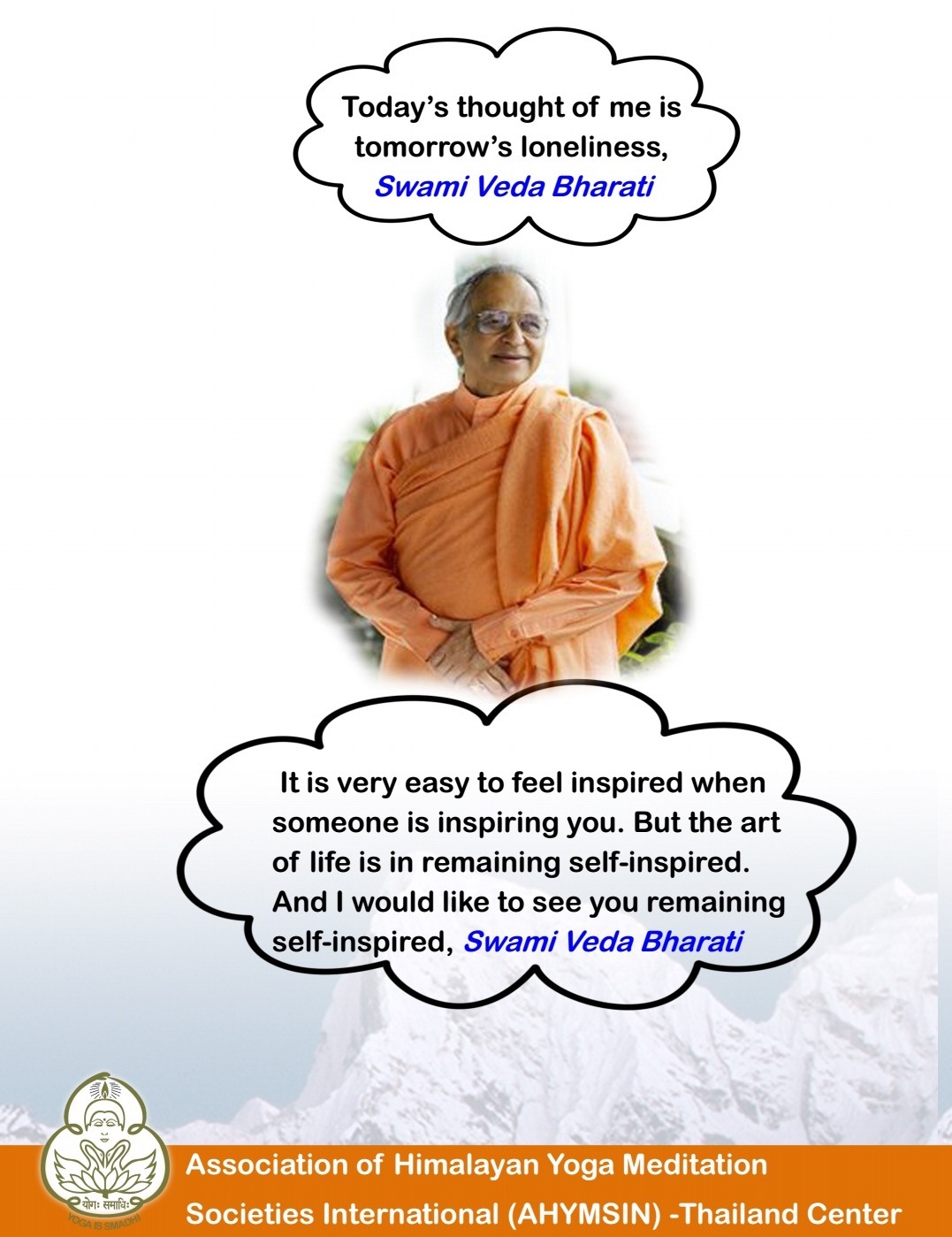 For Swami Veda Bharati, development of spirituality and inner life is the most important thing. But he never wants to change other people’s opinions about God or spiritual life. Himalayan Yoga Meditation encourages people to deepen faiths in their own religions/paths by gaining personal experiences. Yoga leads us back to our own essential nature, which is always in perfect balance. Swamiji had family (before he became a renunciate). He was happily surprised when he saw his new born son breathe through his entire body, using diaphragm. It was as if every single cell in his body had received nourishment from his own breath. This is the most natural way of breathing and is one of the most important practices within Himalayan Yoga Meditation tradition. Unfortunately, most people have forgotten this natural breathing pattern as they grow older, due to all kinds of stresses in daily life. Many children have been used as emotional targets of their own parents. In a little child’s eyes, the adults look like giants. The scolding voices of parent produce great (negative) influence on the child’s mind. It is like a shock for him. It is very sad that parents give their own children repeated shock therapies until they (children) lose their abilities to breathe diaphragmatically. When these children grow up, they may choose to pay lots of money to attend yoga courses in order to learn what they could do naturally when they were born. The natural breathing pattern has become something very unfamiliar because they have developed bad breathing habits over many years and have become slaves to their own habits (habits are not only limited to breathing). Yoga and meditation practices can help free people from their own bad habits created for themselves through repeated actions over an extended period. Definition of Meditation Individuals should have their own definitions of meditation based upon personal experiences. The definition will always change as one moves forward in his/her practice. However, beginners might come up with following definitions:
Important Techniques for Meditation Practices 1. Practice every day. If we need to eat, brush our teeth and take a bath every day, then we should include meditation in our daily tasks. 2. Sit at the same time and at the same place as often as we can. 3. Throughout the day, do several “two minute meditations”. This will help us reduce tension and accumulation of negative emotions during the day, which will greatly help our main meditation practices. 4. Our meditation cushions are private properties which should not be shared with others. We leave behind certain positive vibration in our cushion, which accumulate over time. 5. Whenever our minds become distracted with disturbing thoughts and fantasy, we might notice the followings; 1) our back and neck bend down, 2) our neck tilt toward one side, 3) we have muscle tension in certain parts of the body and 4) our breaths do not flow smoothly and continuously. We should straighten our head, neck and trunk. Relax muscles throughout the body and bring awareness back to natural flow of our breaths. 6. Do not get emotionally involved with all disturbing thoughts; just be good observers and let go. 7. Never leave your practice no matter what happens. If we encounter a serious problem that prevents us from practice, try our best to come back to our practices as soon as possible. (Drawings courtesy of Chitraporn Boonthanom) Editor’s note:To contact Himalayan Yoga Meditation (Thailand Center): ahymsinthailand@gmail.com Facebook: https://www.facebook.com/ahymsinthailand.himalayanyoga?fref=ts The book Superconscious Meditation by Swami Veda Bharati (Pandit Usharbudh Arya) is available from the online bookstore at The Meditation Center, yogaineurope.eu, through AHYMSIN Publishers at ahymsinpublishers@gmail.com, through Amazon.com, and other bookstores. CDs of Swami Veda’s Superconscious Meditation lectures can be purchased through AHYMSIN Publishers, yogaineurope.eu Superconscious Meditation by Swami Veda Bharati can be downloaded at http://www.cdbaby.com/cd/swamivedabharati7
|
|||||
 |
|||||